

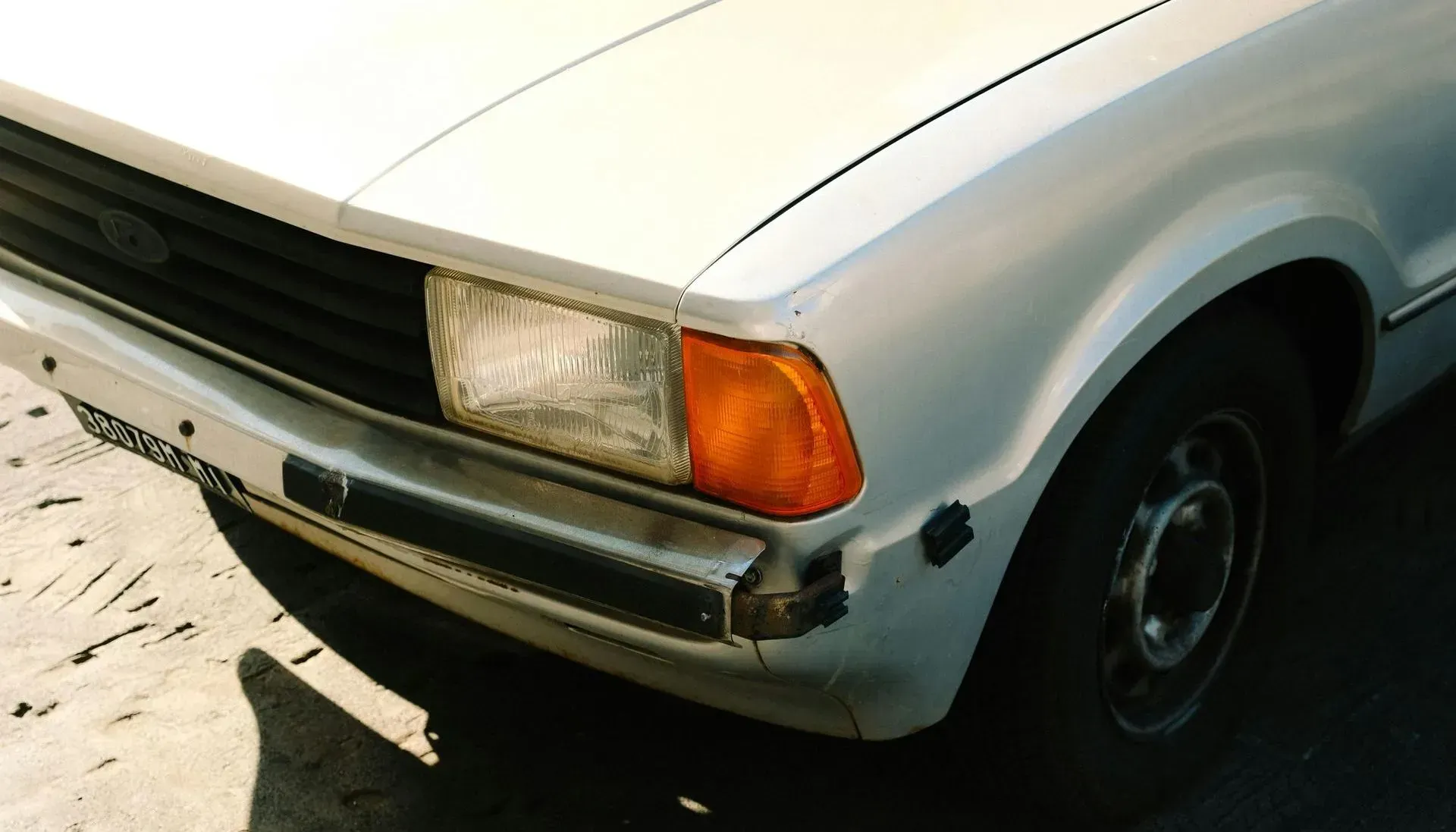

Whether it pays to fix a car before selling comes down to the job: cheap cosmetic and maintenance fixes usually earn their money back, while big mechanical repairs often cost more than they add to the price.
Should I Fix My Car Before Selling It?
Fix the small stuff, skip the big stuff. That is the short version. Minor cosmetic and maintenance jobs almost always earn their money back because they lift how the car looks and feels in the first ten seconds, which is when a buyer decides whether to keep reading your ad or scroll on. Major mechanical work is the opposite. On most cars, and especially older ones, an expensive repair adds less to the sale price than it costs you to do.
The trap is spending real money to fix a fault that a buyer was never going to pay extra to have sorted. Before you book anything in, get a rough idea of what the car is worth as it sits today. A quick check with our car valuation tools gives you a baseline, and every repair decision after that is just a question of whether the job adds more than it costs.
Does Fixing My Car Actually Add Value?
In most cases the small fixes do, and the big ones do not. Sorting out the things a buyer can see, like dents, paint scratches, or a malfunctioning part, makes the car more appealing and can lift your resale value for very little outlay. Something as minor as replacing a burnt-out headlight or tidying up scuffed interior trim can pay for itself.
The two things to watch are these. Major mechanical faults often cost more to repair than the value they add back, so you end up subsidising the next owner. And an obvious unresolved issue does double damage, because it makes buyers wonder what else has been let go. A clean, tidy, well-presented car reads as looked-after, and a looked-after car earns more trust and stronger offers. Mechanical repairs are different. A buyer expects a used car to have some wear, so fixing a fault often just gets you back to a price you could have reached by being upfront about it and pricing accordingly. Presentation lifts the offer, big mechanical work mostly just protects it.
Which Repairs Are Worth Doing Before You Sell?
The jobs worth doing are the cheap, visible ones that shape a first impression. None of these cost much, and together they make a car feel cared for rather than tired.
| Worth doing | Why it helps |
|---|---|
| Professional wash and detail | The single biggest lift for the money. A tidy interior and clean paint set the tone before a buyer says a word. |
| Paint scratches and small dents | A cheap touch-up or paintless dent removal stops small marks from making the whole car look neglected. |
| Curb rash on wheels | Scuffed rims are one of the first things people notice. A refurbish is inexpensive and lifts the look. |
| Worn wiper blades and blown bulbs | A few dollars each. A car that squeaks or has a dead indicator or headlight feels unloved on a test drive. |
| Basic service items | Oil change, fresh filters, correct tyre pressures, topped-up fluids. Cheap signals that the car has been maintained. |
| Squeaky or grinding brakes | Noise makes a buyer nervous even when the pads are fine. Worth checking before a test drive. |
A couple of jobs sit in the middle. A check engine light is worth getting the code read so you know whether it is a cheap sensor or something serious, because an unexplained warning light scares buyers off far more than a known, disclosed fault does. Warm air from the vents is the same story: get it checked, because it might be a simple re-gas or it might be the air conditioning compressor, and the two are worlds apart on cost. If the fix turns out to be minor, do it. If it is major, price the car to reflect it instead.
Which Repairs Should You Skip?
Skip the big-ticket mechanical work, particularly on an older car. Major repairs are where owners lose money trying to dress a car up for sale, because the repair bill routinely runs higher than the extra the market will pay for the car once it is fixed.
| Usually not worth it | The problem |
|---|---|
| Engine rebuild or replacement | The cost often exceeds what the repair adds to the sale price, so you subsidise the next owner. |
| Transmission replacement | Expensive, and on an older car it can be worth more than the car itself. Disclose and discount instead. |
| Air conditioning re-gas or compressor | Can run into real money. Many buyers will accept a car with cold-air issues at the right price. |
| Major suspension or steering overhaul | High labour cost for a repair most buyers assumed was fine anyway, so no premium comes back. |
On the safety side, a private sale of a registered car in Queensland needs a current safety certificate, so that is one job you cannot skip if you are selling privately. For the full detail on what it covers and costs, see our guide to the roadworthy certificate in QLD. If the certificate is the sticking point, you can also read about selling a car without a roadworthy.
Will a Buyer Pay More for a Repaired Car?
It depends on who is buying. A private buyer will usually pay more for a car that needs nothing done to it, because they are picturing themselves driving it home rather than booking it straight into a workshop. That is where a clean presentation and the small fixes earn their keep. Plenty of used car buyers in Brisbane will happily go a bit higher for a car that has obviously been looked after.
Sell to a dealer or one of the car buying services that advertise "we buy any car" and the sums change. Those offers are built off the wholesale value of the car, so a fresh detail or a new set of wiper blades rarely shifts the number much. If you are heading down the dealer route, spending on cosmetics first is usually wasted money. It also pays to know how quickly your model loses value with age and kilometres, because a car falling fast through depreciation is one to sell sooner rather than pour money into. If you want to see how the main options compare, our rundown of the best car buying services in Queensland lays them out side by side.
Repair Cost Versus Offer: Does the Maths Stack Up?
Every repair decision is the same simple sum: does this job add more to my offer than it costs me to do? If the answer is yes, do it. If the answer is no, disclose the fault and price the car accordingly. The table below shows how that logic plays out across common jobs. Costs are shown as rough bands rather than exact figures, because a quote depends on your car, so get your own before committing to anything major.
| Repair | Rough cost | Effect on your offer |
|---|---|---|
| Wash and full detail | Low | Adds more than it costs. Best value fix on the list. |
| Touch-up paint and dent removal | Low | Usually pays back. Stops small marks dragging the whole car down. |
| Wiper blades, bulbs, tyre pressures | Low | Adds trust for little outlay. Worth doing every time. |
| Basic service and oil change | Low to moderate | Often pays back through buyer confidence, if the car is otherwise sound. |
| Air conditioning repair | Moderate to high | Rarely pays back in full. Disclose and discount is usually smarter. |
| Transmission or engine work | High | Usually costs more than it adds, especially on an older car. |
The pattern is hard to miss. The cheap jobs at the top earn their money back, the expensive jobs at the bottom generally do not. When a repair falls into the bottom rows, being honest in the ad and pricing to match will net you more than paying for a fix the buyer never asked for.
What If You Do Not Want to Fix Anything?
Then sell it as is, which is a completely legitimate choice. Not everyone wants the hassle, the cost, or the wait that comes with fixing a car up, and if the repair bill is bigger than the car is worth, doing nothing is often the sensible call. Plenty of companies specialise in buying cars as is. They trade on speed and convenience, though some will deduct the likely repair cost from their offer, so it pays to compare. The two things that matter on your side are being upfront about the car's faults and pricing it to reflect its real condition.
Selling privately with known problems can mean lowball offers, tyre-kickers, and buyers who vanish once they hear the word "fault". Selling to a licensed dealer sidesteps that. As a licensed Brisbane car buyer we buy cars right across the south east, from Brisbane out to the Gold Coast, Sunshine Coast, Toowoomba and North Lakes, and we take them in any condition, mechanical faults and all, so there is no repair to organise, no roadworthy to chase, and no waiting for the right private buyer. If you want to weigh up the options first, our guide on how to sell a car in Queensland walks through each route, and the paperwork you need to sell a car covers the documents either way.
We buy cars in any condition across SE QLD, faults and all. No fixing up, no detailing, no roadworthy to chase. Free pickup and same-day bank transfer.
Get an offer for your carFrequently Asked Questions
Should I detail my car before selling it privately?
Yes. A professional detail is the cheapest way to lift a car's appeal and, dollar for dollar, the fix most likely to pay for itself. Buyers judge condition with their eyes first, so clean paint, tidy carpets, and a fresh-smelling interior make the car read as well cared for and support a stronger asking price.
Is it better to sell a car with a check engine light on?
Get the code read before you decide. An unexplained warning light worries buyers more than a fault you have named and disclosed. If the read shows a cheap sensor, fix it. If it points to something expensive, leave it, tell the buyer what it is, and price the car to match. What scares people is the unknown, not the honesty.
Is it worth repairing a car with high kilometres before selling?
Usually only the cheap, cosmetic jobs. On a high-kilometre car the buyer already expects wear and prices it in, so pouring money into big mechanical work rarely comes back. A wash, a detail, and sorting the small visible faults still help, because they show the car has been maintained. Anything major is better disclosed and discounted than repaired.
How do I know if a repair is worth doing before selling?
Compare the quote to what the fix adds to your offer. Start from a realistic figure for the car as it stands today, then ask whether the repair lifts the price by more than it costs. If yes, do it. If no, disclose the fault and drop your price instead. Cheap and visible almost always clears that bar, expensive and hidden almost never does.
Can I sell a car that needs major repairs?
Yes. You can sell privately by disclosing the faults and pricing accordingly, or sell to a licensed dealer who buys cars in any condition. A dealer sale is faster and removes the risk of a private buyer walking away once they learn about the problem, which is common when a car needs costly work.
Should I fix my car or sell it to a dealer instead?
If the repair costs more than it adds to the car's value, selling to a dealer as is usually comes out ahead. You skip the repair bill, the roadworthy, and the wait for a private buyer, and you get paid without gambling on whether a fix returns its cost. If the only jobs needed are cheap cosmetic ones, doing those and selling privately can be worth the effort.
Sell Any Car Fast is a licensed QLD motor dealer (DLN 4871214). This guide is general information to help you decide, not financial or legal advice. Repair costs and what a car is worth vary case by case, so get your own quotes and valuation before you commit.

