

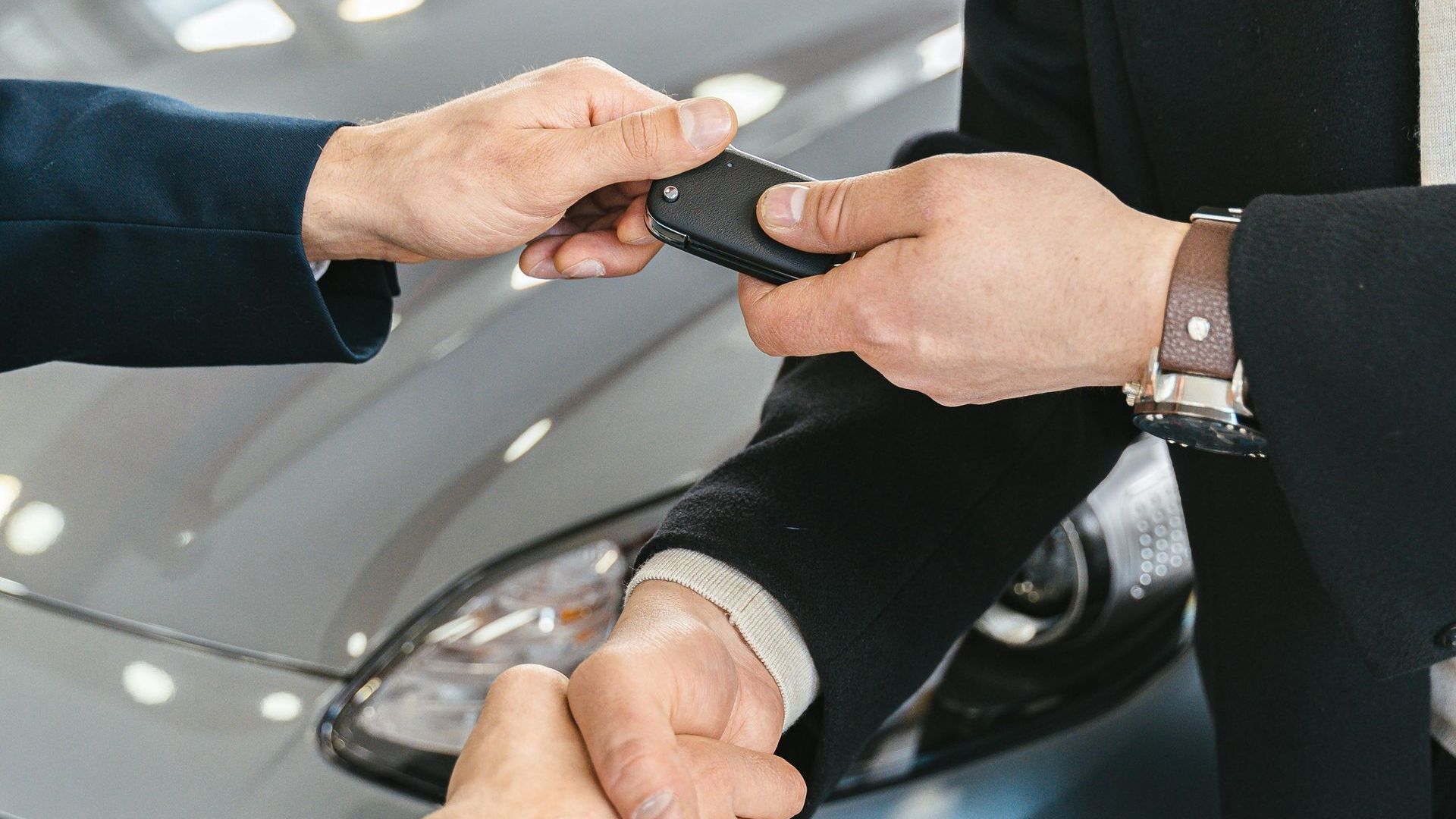

A balloon payment kept your repayments low for years, and now it is due in one hit. You can't skip it, but you have more ways out than most people realise, including selling the car and letting the buyer clear the loan.
What Is a Balloon Payment on a Car Loan?
Say you bought a $45,000 ute on a five-year loan with a 30% balloon. Your repayments were worked out on the $31,500 you would pay off over the term, not the full $45,000, so they were smaller. The other $13,500 sits at the end as the balloon. That is an example, not your loan, and your contract has the real figure.
Balloons commonly run somewhere between 20% and 50% of the price. They are popular on business loans and chattel mortgages because they keep monthly repayments down. Novated leases have the same thing under a different name, the residual, and our guide on what happens at the end of a novated lease covers that case.
The catch is time. Five years on, the car has lost value, and whether it is worth more or less than that balloon decides everything below.
What Are Your Options When the Balloon Is Due?
| Option | What happens | Watch out for |
|---|---|---|
| Pay it | You pay the lender and the car is yours outright. | Interest keeps adding up until the day it is paid, so get a payout figure for that date. |
| Refinance it | A new loan covers the balloon and you keep driving. | Interest on an older car, and sometimes a second balloon at the end. |
| Sell the car | The buyer pays your lender and the rest comes to you. | Only leaves money in hand if the car is worth more than the payout. |
| Trade it in | The dealer pays out the balloon and puts any leftover toward a new car. | Two prices negotiated at once. |
Should You Pay the Balloon or Refinance It?
If you have the money and you like the car, paying it is the simplest. The lender releases its interest in the car and you own it outright.
Refinancing works if you want to keep the car but don't have the lump sum. Your old lender might offer it, or you can shop around. Look hard at the total you'll pay over the new term, because you are now paying interest on a car that is five years older, and some refinance deals come with a smaller balloon of their own.
Can You Sell the Car to Clear the Balloon?
Yes, and you don't need to find the balloon first. When you sell to a licensed dealer, the dealer pays your lender the payout figure straight out of the purchase price and the rest comes to you. On the ute example: if the payout is $13,500 and the car is worth $22,000, the lender gets $13,500 and you get about $8,500. No car, no loan, money in the bank.
Selling privately is harder with money owing. The car shows on the PPSR as security for your loan, and most private buyers won't hand over money until it is clear. Our guide to selling a car with finance owing walks through the payout steps.
Is Trading In a Good Way Out of a Balloon?
It is the easiest, because the dealer you are buying from handles the payout. The cost is that you are negotiating two prices at once: what they'll give you for the old car and what they'll charge for the new one. Get a separate offer on your car first so you know what the trade-in figure should be. Our guide to how dealer trade-ins work shows where the margin sits.
What If the Car Is Worth Less Than the Balloon?
Then you have a shortfall, and every option involves paying it somehow.
- Sell the car and pay the gap to the lender from savings.
- Refinance the balloon and keep driving, so the gap is spread out.
- Trade in and roll the shortfall into the new loan. This one is risky: you start the new loan already behind, and you can end up here again in five years.
What If You Can't Pay the Balloon at All?
Ring the lender before the due date. On a personal car loan you can ask for a hardship variation, such as a longer term or a short pause, and the lender has to answer in writing. Lenders deal with this all the time, and they are far more flexible before a missed payment than after it. The National Debt Helpline (1800 007 007) is free if you want help working out a plan first. Hardship variations apply to consumer loans, not business loans or chattel mortgages.
We buy cars with finance owing across Brisbane and SE QLD. We pay your lender directly, then send the balance by bank transfer the same day. No roadworthy, no fees.
Get an offer on your carFrequently Asked Questions
Can I pay the balloon off early?
Usually yes. Ask the lender for a payout figure on the date you want to pay. Some loans carry early termination fees, so check your contract.
Does a balloon cost more interest overall?
Generally yes. You are borrowing the balloon amount for the whole term without paying any of it down, so it collects interest the entire time.
What should I do this week if my balloon is due soon?
Ask your lender for a payout letter dated a couple of weeks out, get a firm offer on the car, and put them side by side. If the offer is higher, selling probably makes sense. If it is lower, you are choosing between paying the gap now and paying it over time.
Useful Government Resources
- Hardship variation explained Moneysmart (ASIC)
- National Debt Helpline Free financial counselling
- Personal Property Securities Register (PPSR) Australian Government
Sell Any Car Fast is a licensed QLD motor dealer (DLN 4871214). This guide is general information, not financial advice. Check your own loan contract and talk to your lender about your situation.

