


It is a buyers' market for used cars in 2026, with more choice and softer prices. The trick is buying something that will still be worth money when you go to sell it.
What Are the Smartest Used Car Buys in 2026?
A smart buy in 2026 is a car you can drive for a few years and sell without taking a bath. That comes down to two things: how much the car depreciates, and how easy it is to move on when you are done with it.
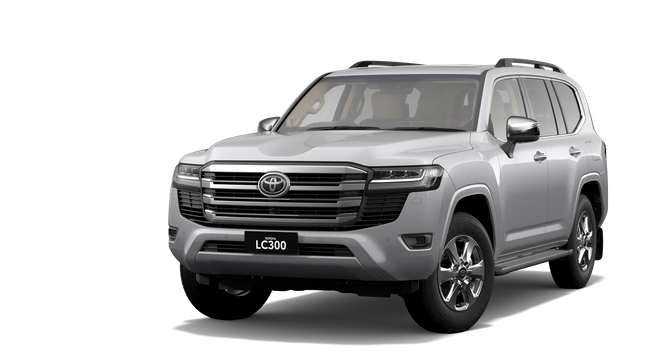
Toyota still owns this conversation. The LandCruiser, RAV4, Hilux and Yaris Cross all hold their value better than almost anything else on the road, and a couple of them are genuinely worth more secondhand than they cost new. The Suzuki Jimny sits right at the top for the same reason: people want them faster than Suzuki can build them. Buy one of these and the depreciation that eats most cars barely touches you.
It Is a Buyers' Market in 2026
The used market cooled through the first half of 2026. Roughly 1.3 million used vehicles changed hands nationally in the six months to June, down about 6.6 percent on the same stretch of 2025. Fewer buyers, more stock sitting on lots, and sellers dropping prices to get deals done.
That is good news if you are buying. You have more to choose from and more room to negotiate than you did a year ago, helped along by interest rate cuts easing budgets. It is less fun if you are selling, because the same conditions that hand buyers the advantage take the shine off your trade-in.
Here is the part most people miss. A soft market makes the car you choose matter more, not less. When everything is discounting, the cars that hold their price are the ones you can actually sell later without a fight. Buying cheap is easy in 2026. Buying something that stays worth money is the skill.
Which Cars Hold Their Value Best in 2026?
We price cars every day, so we checked our own numbers. In late August 2026 our pricing system logged about 120,000 used car listings from dealers. We compared the asking price for the same model and badge at two to three years old against eight to nine years old. These are the ones that held on best and worst.
| Car | Asking at 2 to 3 years | Asking at 8 to 9 years | Kept | Typical km at 8 to 9 years |
|---|---|---|---|---|
| Toyota Hilux Workmate | $33,300 | $25,000 | 75% | 105,000 |
| Toyota Corolla Ascent Sport | $29,000 | $20,600 | 71% | 96,000 |
| Kia Cerato S | $22,800 | $15,500 | 68% | 94,000 |
| Isuzu D-Max SX | $44,000 | $30,000 | 68% | 152,000 |
| Toyota Hilux SR5 | $59,700 | $40,000 | 67% | 154,000 |
| Hyundai i30 Active | $24,600 | $16,500 | 67% | 112,000 |
| Toyota Camry Ascent | $34,500 | $22,800 | 66% | 100,000 |
| Toyota Prado GXL | $64,300 | $41,700 | 65% | 172,000 |
| Nissan X-Trail ST | $28,300 | $16,500 | 58% | 117,000 |
| Ford Ranger XLT | $48,400 | $28,000 | 58% | 167,000 |
| Toyota RAV4 GX | $40,000 | $21,600 | 54% | 130,000 |
| Ford Ranger Wildtrak | $56,700 | $29,100 | 51% | 148,000 |
| Toyota Kluger GXL | $56,000 | $27,000 | 48% | 133,000 |
| Mercedes-Benz C200 | $61,000 | $27,100 | 44% | 92,000 |
Plain badges hold value better than the flagship version of the same car. A Hilux Workmate still asks 75 percent of what a two-to-three-year-old one does, the SR5 67 percent. The same goes for the Corolla Ascent Sport (71 percent) against the ZR (58 percent), and the Ranger XLT (58 percent) against the Wildtrak (51 percent).
Cheap Japanese and Korean hatches and sedans keep the biggest share. The expensive seven-seaters and European cars lose the most, in percent and in dollars: a Kluger GXL drops about $29,000 over those six years, and a Mercedes-Benz C200 about $34,000.
These are dealer asking prices, not sold prices, and the older cars carry more kilometres, which is how real cars age. A few models also changed shape in that window, including the RAV4 in 2019 and the Ranger in 2022.
Utes and 4WDs
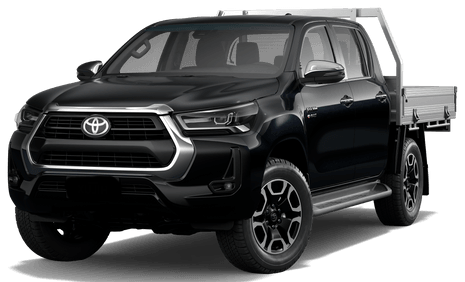
This is the strongest category for holding value, and it has been for years. The LandCruiser is the benchmark, the Hilux and Ford Ranger sell to tradies and families who tow, and the Nissan Patrol has quietly become a cult buy. New stock has been tight on some of these, which keeps used prices firm. A well-kept diesel LandCruiser is about as close to a rolling savings account as cars get. Our numbers back this up for the workhorse badges: a Hilux Workmate and an Isuzu D-Max SX still ask around 70 percent of their two-to-three-year-old price at eight to nine years old, and a Prado GXL 65 percent.
Small Cars and Light SUVs
Cheap, plain small cars are the safest money in our numbers. The Corolla Ascent Sport, Kia Cerato S and Hyundai i30 Active all still ask two thirds or more of their two-to-three-year-old price at eight to nine years. The Yaris, Yaris Cross, Mazda 2 and Kia Picanto sell to the same buyers: first-car buyers and downsizers who want cheap running and cheap insurance. If your budget is under $25,000 and you want your money to hold, this is where it sits in 2026.
Midsize SUVs
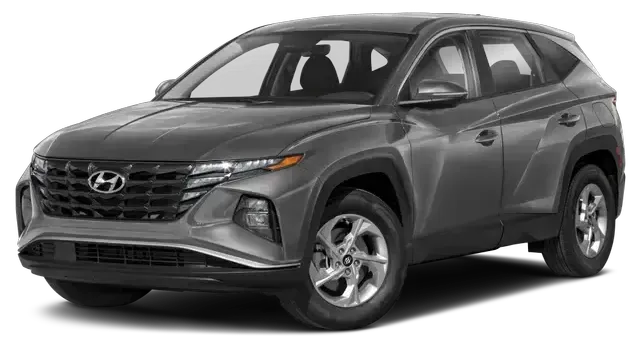
The RAV4 is the one everyone asks about, and hybrids still sell the moment they are listed. Over the longer run, though, it behaves like the rest of the class: by eight to nine years a RAV4 GX asks about 54 percent of a two-to-three-year-old one, close to the X-Trail ST at 58 percent. The Mazda CX-5, Kia Sportage and Hyundai Tucson are the sensible alternatives: they sell in big numbers new, so there is always a buyer for a tidy used one. Base and mid trims with a service history hold up better than the top-spec versions.
The One to Be Careful With: Used EVs
Used electric cars are the exception to all of this. They are depreciating faster than petrol and diesel in 2026, and the reason is simple. Manufacturers keep cutting the price of new EVs, and cheaper Chinese models keep arriving with more range and features, which drags down what an older EV is worth almost overnight.
That is not a reason to avoid them. A used EV can be a genuine bargain right now precisely because they have fallen so hard. Just go in with your eyes open. Buy one to drive and enjoy the cheap running costs, not as something you expect to sell for strong money in three years. The resale maths that works for a LandCruiser runs the opposite way for a two-year-old EV.
What Makes a Used Car Hold Its Value?
It is less about the badge than people think, and more about demand. A car holds its value when plenty of buyers want it and there are not enough to go around. Toyota and Suzuki nail this because their cars are reliable, cheap to run, and always in demand, so the pool of buyers never dries up.
Reliability does most of the heavy lifting. A car with a reputation for never breaking keeps a queue of buyers for the used ones. Add a full service history, sensible kilometres, and a colour that is not polarising, and you have a car that sells itself. The cars that depreciate hardest are the opposite: complex, expensive to fix, or a badge that has since fallen out of favour.
How to Check a Used Car Is a Smart Buy Before You Pay
Before you hand over any money, run a history check. A VIN and PPSR check flags finance owing, reported theft, and write-off history for $2, and it takes two minutes. Buying a car with money still owing on it is the fastest way to lose both the car and your cash.
Then sanity-check the price. Our car valuation tools give you a realistic figure to negotiate against, which matters more than usual in a soft market where some sellers are still asking last year's money. If the car comes back with a write-off flag, read our guide to WOVR and written-off vehicles before you go any further.
Where We Buy Cars Across South East Queensland
If you are selling rather than buying, the same market that helps buyers works against you, which is exactly when a guaranteed offer is worth having, especially if you want to sell your car in Brisbane quickly. We buy across the region, so wherever you are it is an easy handover. That includes Brisbane, the Gold Coast, the Sunshine Coast, Toowoomba and North Lakes.
Get a guaranteed offer in a soft market. Any car, any condition, free pickup across South East Queensland and same-day bank transfer.
Get an offer on your carFrequently Asked Questions
What is the smartest used car to buy in 2026?
For holding value, the Suzuki Jimny and Toyota LandCruiser lead, with the RAV4, Yaris Cross and Hilux close behind. All keep close to or more than their original price at two to four years old. For a first car on a budget, the Toyota Yaris and Kia Picanto are the safest money.
Is 2026 a good time to buy a used car in Australia?
Yes, for buyers. Used sales fell about 6.6 percent in the first half of 2026, supply built up, and sellers started discounting, so you have more choice and more room to negotiate than a year ago. The catch is that a soft market makes the model you pick matter more, because only the value-holders sell easily later.
Are used electric cars a smart buy in 2026?
As a cheap car to drive, yes. As an investment, no. Used EVs are depreciating faster than petrol in 2026 because new prices keep getting cut and cheaper Chinese models keep arriving. Buy one for the low running costs and the bargain price, not for strong resale.
Why are some used cars worth more than new?
Supply. When buyers want a model faster than the factory can build new ones, and there is a waitlist, used examples get bid up above their original price. The Suzuki Jimny is the best-known example. That mostly happens in the first year or two. By eight or nine years, even the strongest cars in our own price data ask about 70 to 75 percent of what a two-to-three-year-old one does.
Which cars depreciate the most in Australia?
Broadly, complex or expensive-to-repair cars, badges that have fallen out of favour, and right now, electric vehicles. A car loses roughly 10 to 15 percent in its first year and 40 to 50 percent over three years, so a $50,000 new car is often worth $25,000 to $30,000 after five. The value-holders in this guide are the exceptions.
Sell Any Car Fast is a licensed QLD motor dealer (DLN 4871214). This guide is general information, not financial or legal advice. Resale figures reflect industry data at the time of writing and move with the market, so treat them as a guide rather than a guarantee.

