

How We Value Cars
When you receive a price from us or many reputable dealers, it’s based on how cars actually sell in the real market, not advertised prices or generic online calculators.
This page explains how we assess vehicles, what affects pricing, and why two similar cars can receive very different offers.
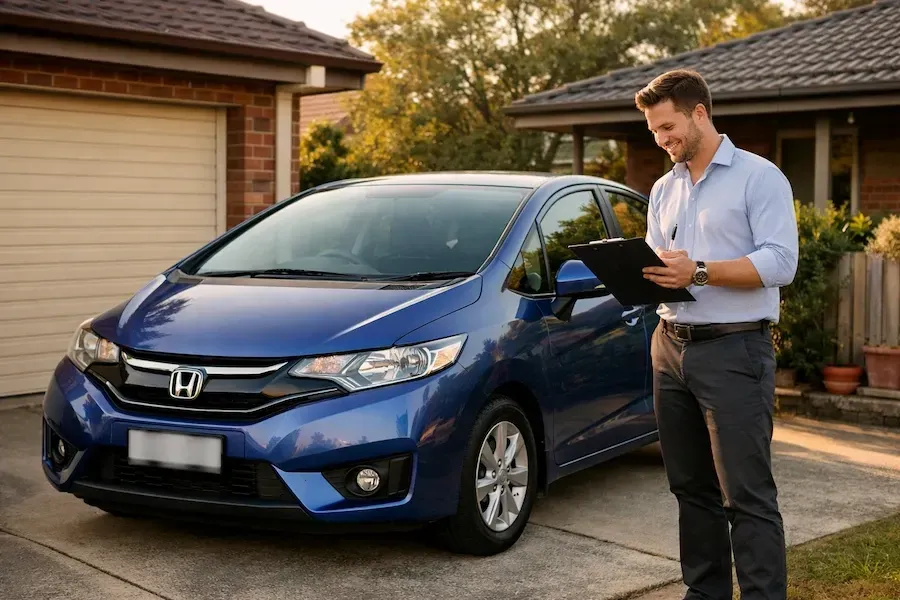
We Don’t Use Retail Listings or Guesswork
Online listings, dealership prices, and “estimated values” often reflect what sellers hope to get, not what cars realistically sell for.
Our pricing is based on:
- Verified recent sales data
- Current wholesale and dealer demand
- Condition-specific adjustments
- Location and logistics costs
This ensures the price you receive is realistic, achievable, and executable.
A Note on Retail Prices vs Real Sale Prices
Some people expect their car to be worth the same as similar vehicles advertised online or sitting on dealership lots.
Those prices are asking prices, not confirmed sales.
Dealers factor in:
- Reconditioning costs
- Warranty obligations
- Advertising and overheads
- Profit margins
- Time on market
A private seller or direct buyer does not operate under the same model.
Our pricing reflects what vehicles actually change hands for, based on current buyer demand and condition, not the highest advertised figure you can find online.
If your expectation is based on retail listings, the price you receive may feel lower than anticipated. That doesn’t mean it’s incorrect. It means it’s grounded in how the market really works.
What Goes Into a Car Price
Every valuation considers a combination of factors, not just age and kilometres.
Vehicle details
- Year, make, model, and variant
- Transmission and drivetrain
- Kilometres travelled
- Registration status
Condition
- Mechanical condition
- Paint and panel condition
- Interior wear
- Repair or accident history (if disclosed)
Market demand
- Buyer demand for that specific model
- Seasonal fluctuations
- Fuel type popularity
- Oversupply or scarcity
Two cars that look similar on paper can perform very differently in the market depending on these factors.
Why Photos Matter
Photos allow us to:
- Confirm condition without assumptions
- Determine the vehicles badge if you're unsure
- Avoid follow-up delays
- Price the car correctly the first time
Without photos, pricing becomes conservative to account for unknowns.
With photos, we can be precise.
Why Offers May Differ From Online Estimates
Online tools often:
- Ignore condition
- Assume average kilometres
- Don’t reflect current buyer demand
- Don’t account for transport or resale costs
Our pricing reflects what buyers are actually paying today, not historical averages or theoretical values. There's plenty of online car valuation tools if you're looking for an estimate.
Location and Logistics Are Part of the Equation
Where your car is located affects:
- Transport costs
- Buyer accessibility
- Regional demand differences
This is why identical vehicles in different states can receive different offers.
In Short
- Prices are based on real market data
- Condition and photos matter
- Demand changes constantly
- Advertised prices ≠ sold prices
- You’re never obligated to proceed
If you have questions after receiving your price, just reply to the email you were sent. We’re happy to explain how it was calculated.